A quick pitch: I’m currently writing a book for Island Press about housing affordability and the need to make strong tenant protections, abundant housing supply, and big government subsidies co-equal priorities for advocacy and policymaking. If you haven’t already, please sign up for my mailing list to receive notification when it’s ready for publication! (I’m hoping for Spring 2020.)
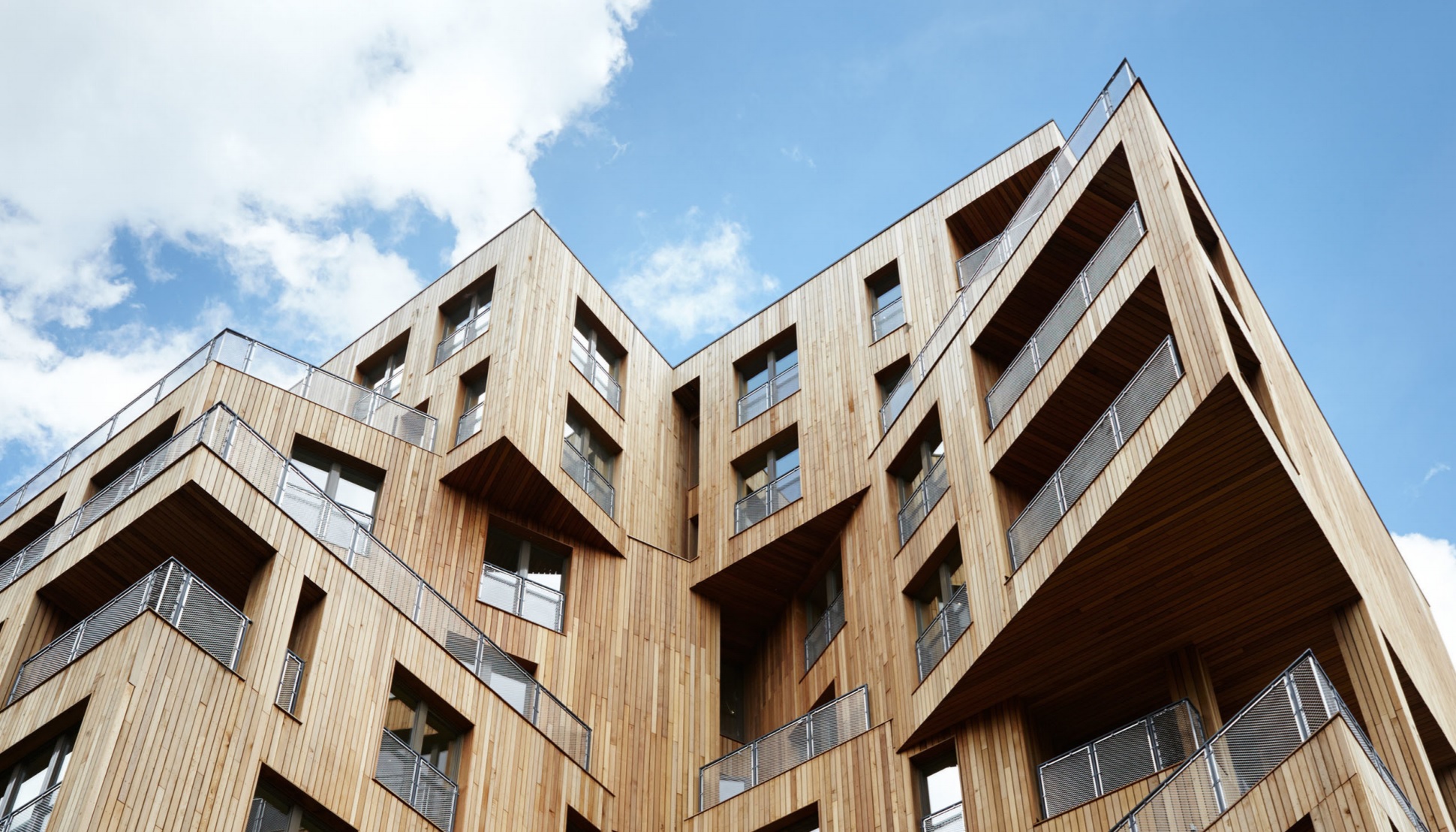
While at my previous employer, Central City Association, I got to spend some time working on a passion project about the promise of mass timber—a construction material that blends the strength of concrete and steel with the flexibility and sustainability of light timber. If you follow real estate news you’re probably familiar with cross-laminated timber, which is one of several types of mass timber.
Last week CCA published the white paper that resulted from that work, so I wanted to share it with my readers. You can find the paper here.
Mass timber has a lot of potential benefits, including faster construction times, reduced labor costs, less expensive materials (especially with the new tariffs), and greatly-improved environmental sustainability. The report delves into those benefits in greater detail and it considers how Los Angeles, and California, and really the entire country, can increase its utilization. Mass timber is still a relatively new technology in the world of construction, and while its approved for structures up to 18 stories tall in the upcoming edition of the International Building Code, cities and states have yet to keep up (with some notable exceptions, such as Portland, Oregon).
It’s estimated that modest subsidies for mass timber construction could reduce carbon emissions at a similar cost-per-metric-ton CO2-equivalent to electric vehicle rebates. And, unlike rebates, which must be adopted by millions of consumers to reach a critical threshold, just a few successful manufacturers and developers could kickstart a mass timber market and help it become financially self-sustaining in very short order. I strongly believe this is something the California Air Resources Board should invest cap-and-trade funds into.
There’s a lot of interesting info in the report, so check it out. And once again, sign up for my mailing list!
Subscribe to my book mailing list
* indicates required
Email Address *
First Name
Last Name

1 comment
Archived from the original site. Commenting is closed.
<p>This is very good article timber makes houses affordable reduces labor.I am Rout Lita working in a <a href="https://www.digitalgravityagency.com/"> digital marketing agency</a> in New York.</p>