I saw this quote recently and was struck by how poignantly it describes the importance of urbanism to the environmental movement, even if it wasn’t the person’s original intent:
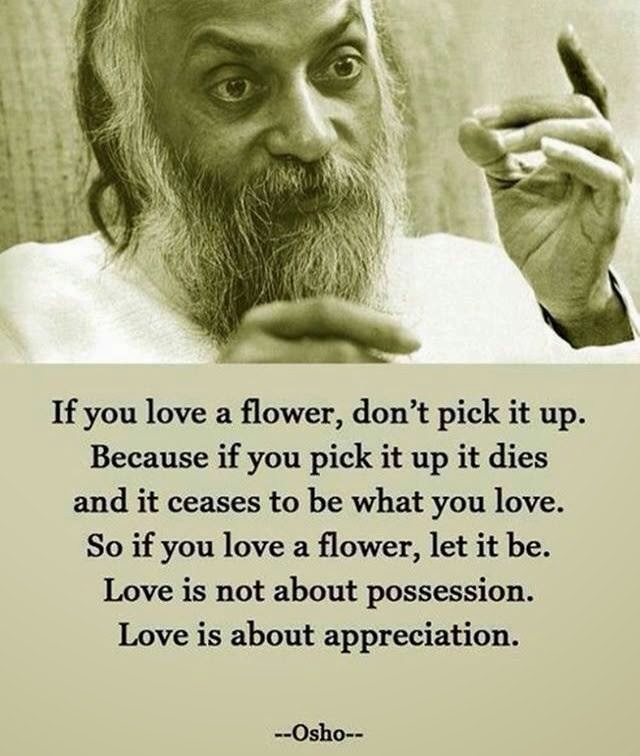
Much like the flower, for many of us, to love nature is to destroy it. We move from the city to the suburb or the rural town to be closer to nature, and to make it habitable (for us) we clear-cut it for new development, pave it over and turn woods and grasslands into manicured lawns, pollute it with our vehicles, etc. In our efforts to possess a small slice of “nature,” we change the meaning of the word, leaving us with something beautiful, perhaps, but far from natural. This strain of thinking is very popular in places like the Bay Area, where there’s a belief that we have to sharply limit development in cities in order to preserve some semblance of nature—“how can a place so gray possibly be green?”
But environmentalism is about much more than surrounding ourselves with greenery; in fact, its true meaning is exactly the opposite. Real environmentalism means surrounding ourselves with steel, concrete, and other human beings, leaving nature to itself instead of attempting to own it and shape it to our own selfish needs. What makes cities so important is that they allow us to express our love and appreciation for nature in a healthy way: from a distance, as a societal and environmental resource that can be preserved far into the future.


1 comment
Archived from the original site. Commenting is closed.
<p>It sure doesn't feel "healthy" being around steel, concrete, and a million other humans. Surely this sort of thing is an excuse we tell ourselves so we don't have to take a big leap in making changes? "Yeah, being in a city is good for the environment! Those people who are closer to nature are destroying it, but I in fact am loving nature by never seeing it."</p>
<p>Doesn't the creation of a building in a city require a lot of damage to nature as well? Surely all the resources we use in a city require us to take something from nature - so to me it makes no sense to argue that you shouldn't live closer to nature because to build the house you'd have to clear a bit of land.</p>